Website designed with the B12 website builder. Create your own website today.
Start for free


Suicide involves complex interactions in the brain, with areas like the prefrontal cortex and amygdala affecting emotional regulation and impulse control, while neurotransmitters like serotonin and dopamine impact mood and stress response. Some people show no warning signs due to masking or impulsivity, making prevention challenging.
Effective prevention includes fostering open conversations, routine mental health check-ins, and community support. Emerging research into biomarkers and treatments like ketamine offers hope for identifying and helping at-risk individuals. Compassionate support and awareness remain vital in suicide prevention efforts.
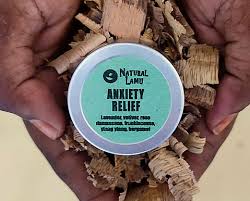
This blog post explores the science behind anxiety, explaining what happens in the brain when we feel anxious and how this response affects the body. It covers key parts of the brain involved in anxiety—like the amygdala, hypothalamus, and prefrontal cortex—and explains physical symptoms, such as increased heart rate and muscle tension. The post also provides practical techniques to calm anxiety, including deep breathing, mindfulness, aromatherapy, fidget tools, and journaling. Readers will learn simple ways to manage anxiety and discover how Soul Soothe Studio's products can support their mental wellness journey.